The outgoing prime minister will not take up his seat after leading his party back into opposition.
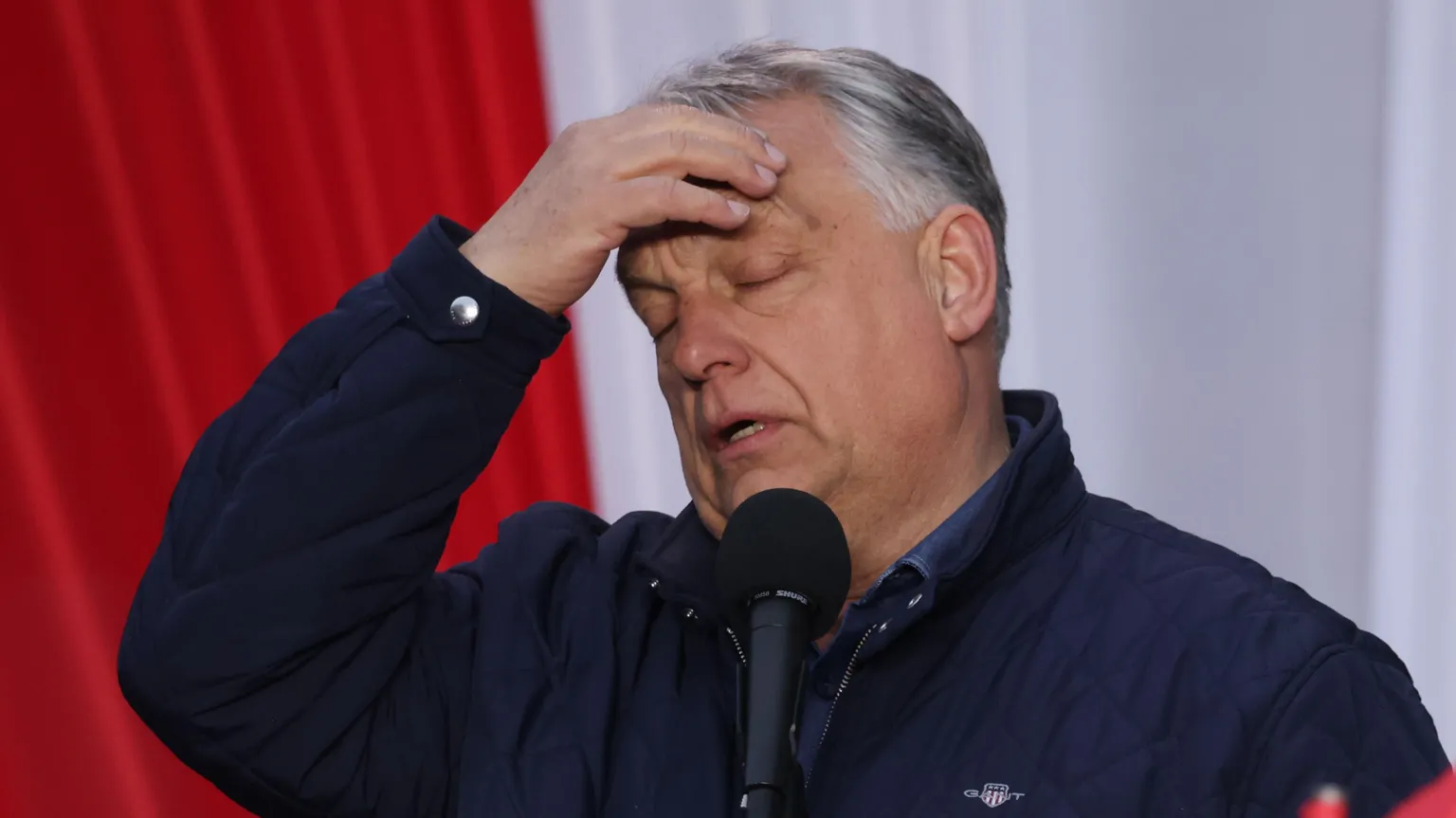
Outgoing Hungarian Prime Minister Viktor Orbán has announced he will not take his seat in parliament following a landslide election defeat that ended his 16 years in power. The decision means that when the new parliament convenes on May 9, 2026, it will be the first time since Hungary’s transition from state socialism in 1990 that Orbán is not a lawmaker.
Orbán stated that his focus will shift to the “reorganization” and renewal of his nationalist-populist political camp, which he refers to as the “national side.” While he relinquishes his parliamentary mandate, he intends to remain the leader of the Fidesz party, which he will seek to retain at a party congress scheduled for June.
The election resulted in a historic shift in Hungarian politics:
-
Péter Magyar’s Tisza party won a supermajority, securing 141 out of 199 seats, the largest majority in Hungary’s post-Communist history.
-
Fidesz suffered a crushing defeat, dropping from 135 seats to just 52 seats.
-
Magyar has pledged to restore democratic institutions, crack down on corruption, and unlock €17 billion in frozen EU funds.
About the Author